

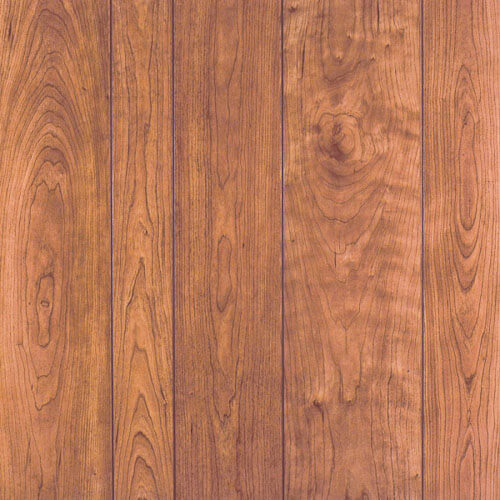
 There seems to be a lot of very unfortunate, unnecessary and ill-informed wood paneling hatred out there. I want to rant. I seriously want to rant. But let me just say this: Our Dads and Grandpas and in some cases our Moms and Grandmas, put up wood paneling because they were very very cautious with their money. They grew up during hard times, and they learned to fear debt and unnecessary overspending. They saved for a rainy day *clue phone*. Now that we have suffered the Great Recession and are living in the New Normal, this all seems to make a lot more sense to people *clue phone*.
 Wood paneling? When Dad and Mom or Grandma and Grandpa excitedly and gratefully bought their 1,000 square foot house after 1945, the basement and attic and maybe even the second floor were unfinished. This is part of what made the house a “starter home”, and couples without children were fine with just having the space they really needed. As money and time permitted and as the family grew, the family — on their own — could start finishing off the basement or attic or second floor themselves. They would frame interior walls, add electric and maybe some insulation and then Cover the Walls with Wood Paneling. Cherry or knotty pine were particularly beloved, I think, but there may have been regional preferences. Installing wood paneling was way easier than putting up and taping drywall — Dad could do the paneling all his own, no problem. I’m thinking it was cheaper, too. Mom and Dad and Grandpa and Grandma did not feel at all oppressed by the paneling. The paneling was cozy. They made more space for their families, within their budgets. They were proud, and deserved to be.
 So just shut yer pie holes, all you wood paneling haters who *can not bear to live with it*.


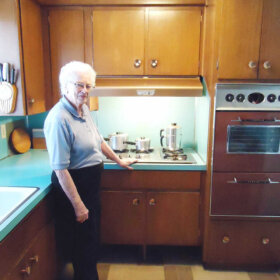
 Eartha Kitsch — owner of a lovely time capsule knotty pine kitchen — did not rant and was very funny and probably more effective than me when she addressed the wood paneling topic last week in her story Dear Lord! Not Wood! The three images above are hers and used with her permission. Click on any of them to get to her sassy story. Props to you, Eartha Kitsch.
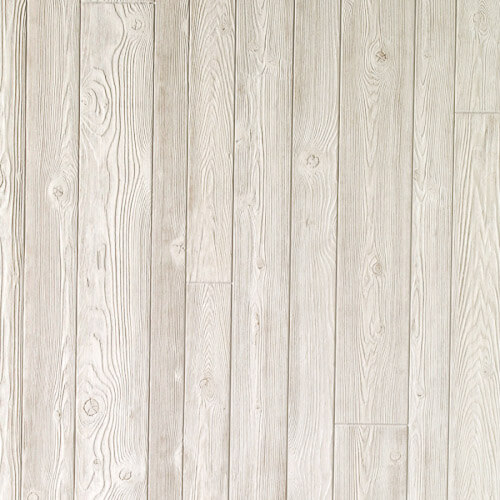
Where to get affordable wood paneling if you, like Mom and Dad and Grandma and Gramps, are interested in using it for a cozy, affordable DIY wall finish? I found this seemingly excellent company — Decorative Panels International, which makes a large variety of wood paneling.
The panels are affordable — $18 – $32 for a 4′ x 8′ sheet, depending on the design. They seem to be widely available at big box and lumber stores. I can’t vouch for the quality — I’d suggest asking to see a full panel before committing — but online, they look just like the wood paneling in the houses that my Mom and Dad and Gramps an Grams built.
Noon update: I talked at length this morning to the president of DPI, Tim Clark. Very nice and passionate man — passionate about making all DPI products the U.S., and passionate about doing it in an environmentally sensitive way. He clarified that DPI’s products consist of an engineered wood substrate with the final top design printed; the top is not veneer. Made in Alpena, Mich., the substrate or backer is made of only three ingredients — wood, water and a flaxseed-based oil. The substrates are put through presses in Alpena that create different textures. The final design is then printed onto the substrate in Toledo. DPI uses rotogravure (not digital) printing, and generally takes each design through several runs with different colors to get the design effect they want. I asked Tim if he thought I would be able to tell the difference between DPI’s printed cherry paneling (for example) and veneered cherry paneling. He said he thought I would be hard pressed (pun haha). Veneered paneling will likely cost about 50% more, he estimated. Also note, Tim said that DPI’s paneling is not positioned to be the cheapest in the market — it’s not the kind of paneling that an economical landlord would put into rental units between tenants. Tim said that DPI is passionate about the structural integrity and overall aesthetic of the product and the processes, and their pricing reflects that. This, along with their focus on environmentally sensitive manufacturing (their processes use minimal solvents, so there is zero or minimal offgassing of the paneling), means the have made major inroads in terms of being stocked at the big box stores like Home Depot, Lowes and Menards, he said.
Tim is sending me samples of a variety of designs — ones I thought would be of greatest interested to Retro Renovation readers. I will take a look and report back. I also will continue researching veneered wood paneling and compare the two.
For more than 50 years, we have been providers of high quality utility and designer wall panels. With a solid hardboard manufacturing facility located in Alpena Michigan, and a superior finishing facility in Toledo Ohio, we are proud to offer one of America’s finest wall products – worldwide.
DPI is recognized industry-wide as the leader in design style innovation and state-of- the- art manufacturing processes. A perfect fit in virtually every part of your home, DPI wall paneling allows you to achieve looks and performance comparable to ceramic tile, wall paper, wood wall paneling and even stone and brick masonry – at a fraction of the cost!
Go Alpena! Go Toledo! DPI also points out that their product is produced in an environmentally sensitive manner:
- All GreenCore finished products feature our S2S premium hardboard foundation for high performance with lower environmental impact
- Inherent durability resists buckling and warping experienced with other products
- Our prefinished panel resists moisture on the surface
- Formaldehyde-free manufacturing means our panels will not adversely affect your indoor air
- Mold-resistant formulation built into the substrate to fend off typical stains
Where to find it:
- Look at all the DPI wood paneling designs here.



zazale says
I Bought a much abused 1915 bungalow that had all the original woodwork stripped out & replaced by pinkey-gray paneling, with a home mart kitchen-in-a-box. The look had to actually be seen to appreciate it’s full horror!
We are in the process of stripping the walls & installing real t&g paneling throughout, since I am a drywall hater.
Installing drywall is dusty & brutal work, doing t&g is zen-like and a bit of fun!
John says
While emptying and freshening for sale the 1966 split level I grew up in, one of the first things to go was the early 1970s Brady Bunch paneling. Two bedrooms, family room, and a hallway were all darker than they should have been.
Real wood is warm and charming, but fake woodgrain in my opinion looks inexpensive. Removing the sheets is easy, but the residual glue then needs to be scraped or sanded. Once the glue is gone, the walls must be patched and sanded so they are smooth. Even with smooth walls, two coats of tinted primer and two coats of paint will finally hide any remaining imperfections. The new look is bright and inviting. We’re going with a neutral goldish-beige throughout, not apartment white.
Pam would be pleased that we are adding a few retro touches during the rehab, and none of the updates are over the top. My cousins and I are keeping most of the treasures my parents left behind, everything else gets donated or sold on on eBay.
Chris says
several years ago when we built our garage we finished the second story ourselves. At the time sheet rock was very expensive so we put up paneling. It still looks great and has held up very well! You don’t have to repaint it etc. .Very affordable and durable. That paneling will be there long after we’re gone. I like it! Embrace it!
Jillian says
Pam, THANK YOU for making this post. my fiance and i moved into his late great uncles 1963 ranch that we absolutely love. it came with tons of vintage lighting that we DIDN’T have to buy on ebay, an awesome danish style bookcase, and countless other MCM treasures..and we haven’t even gone through the attic yet. and yes, it also came with a wood paneled den. which i happen to love. right now it looks a little too “homey” for my taste just because we can’t afford new furniture at the moment (a sleek new sofa and eames lounge chair would do wonders for this room), but i am KEEPING the paneling, darnit! in twenty years, all of these paneling haters will grow up and *hopefully* wish they hadn’t painted over –or done worse– to their poor dens. amen!
pam kueber says
Good for you, Jillian, for loving the house that made its way to you!!
Sandi says
Our ’54 house is one of 13 model homes built by the British Columbia Lumber Association to feature their members’ wood products. Needless to say, we have wood on wood on wood. Most of our wall and ceiling paneling is hemlock and cedar plank, but there are also different types of plywood paneling throughout the small house, as well. We bought the house for its architecture, not the paneling, but there is no way we’ll ever alter a bit of the wood—there is just too much history and craftmanship in it. Yes, it is dark, something I’ve had to get used to as I do like light spaces, but now that I’ve lived with so much wood, I can’t go back to drywall. I think it’s because wood was once a living tree, and there is so much beauty and life still left in the grain, no matter how thinly sliced. I just marvel at the intricacy of the wood grain patterns, their texture, and the way they reflect the light. Drywall can’t do that. And, being house rich and cash poor, and having two young children, we have very little furniture, art, or bric-a-brac, but that seems not to matter when you have a wonderful space that it beautifully designed and well paneled. Although I’m still not a fan of most dark “affordable” paneling of the 60’s and 70’s (I grew up with a typical ‘60s paneled rec room), I do understand that it was installed in part to capture the richness of wood for the every-man and woman.
Stephanie says
I couldn’t agree more! When my Dad and I renovated my 1925 bungalow, he thought we had to paint the decent looking paneling going down the basement stairs. I said, “Nope, I like it.” Plus, for an area that takes a lot of abuse from laundry baskets and other lugging, you can’t beat it for durability. (As long as it’s thickish paneling and not the punch-through-it-with-a-feather-duster variety sometimes found in lower end projects.)
Long live the paneling!!!
But maybe not the white with baby blue printed woodgrain I saw in one basement.
mimi says
I have light brown panelling in my hallways. My problem with the stuff is that if it is done right, it is not lued in. Now the nails are popping out. I can only imagine my kids losing an eye. Any remedy for this barring removal or glueing?
JKaye says
The wonderful thing about paneling is that it comes in all levels of quality and cost, making it available to every income bracket. I have lived in a home that had lovely solid wood paneling on one wall of the living room, simply there as a decorative touch. I once lived in a 100-year-old farmhouse with the cheapest of paneling on the upstairs bedrooms. I must say, in the long run, that cheap paneling was the most appreciated, because it literally kept the wind from whistling right through the walls. When I was in fifth grade, we moved into a 40s era Cape that had a small family room in the basement lined with a decent grade of sheet paneling. My dad enlarged the room, using that same sheet paneling. It really was wonderful that there was a product that someone like my dad, who did not have master carpenter skills, could put up and turn a concrete section of basement into a warm and inviting living space.
Larry says
Great pictures from a blog:
http://midcenturymania.blogspot.com/2012/03/diamond-in-not-so-rough.html
MEW says
Have to confess. I don’t like paneling. Throw the tomatoes. I’ll can them! 🙂
Have a paneled room that is the bane of my existence right now. Termites even ate into this faux wood feast. We use the room as a garage, mudroom, and place to let wet dogs in. Ugh. It gets remodeled last since it’s where all the project stuff is coming in.